
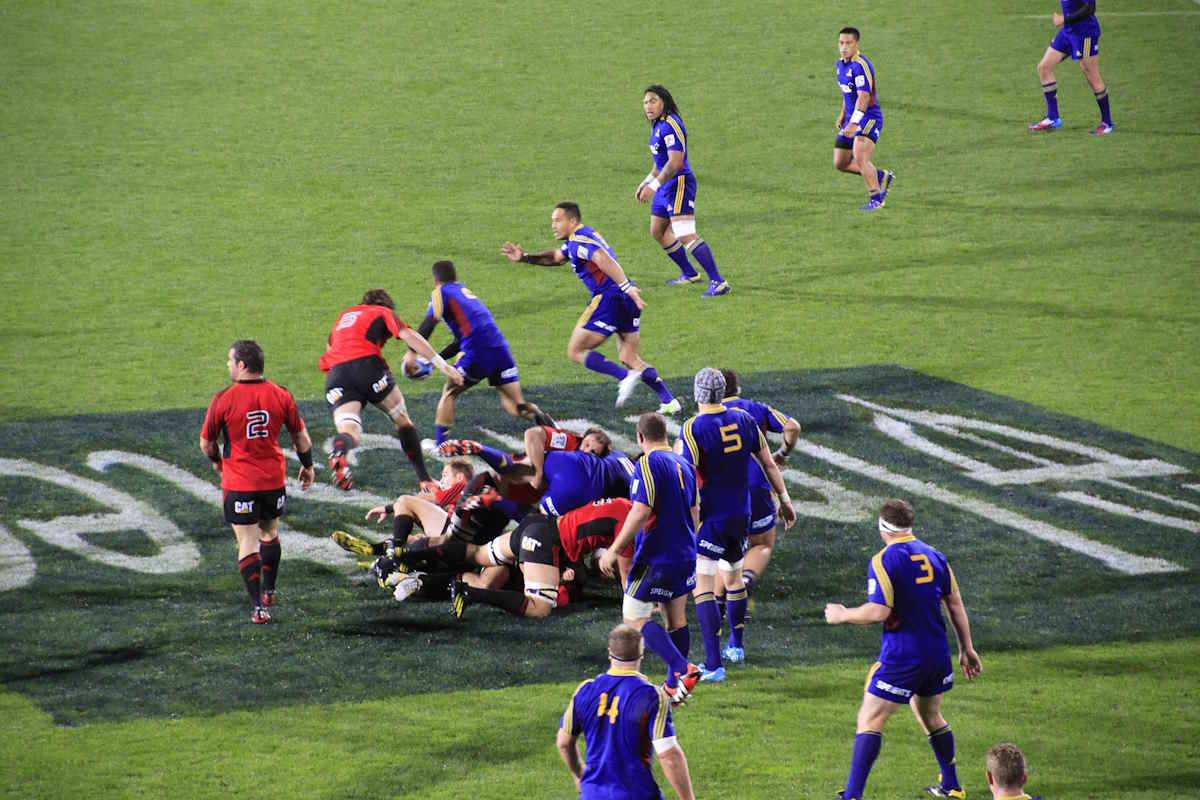
Rugby is becoming increasingly popular, and the 2023 World Cup has further cemented its success in France. However, this sport is also governed by strict rules, particularly regarding the number of substitutions possible during a match. Let’s examine this rule today and discover its importance in the game.
How Substitutions Work in Rugby
Rugby, like many other sports, allows player substitutions during a match. It’s an essential strategy for maintaining team energy and managing injuries that may occur (which are numerous in rugby, given its confrontational nature).
In a World Cup or Top 14 match, the number of substitutions can go up to 12. Previously, the limit was set at 8 replacements until 2018. It’s worth noting that in the original rules of Rugby Union, a team was allowed to make up to 7 player changes during a match (6 substitutions + 1 for injury).
It’s also important to note that if a player is substituted due to injury, they cannot return to the field later in the match. However, there is an exception to this rule. If a player is temporarily replaced to undergo a head injury assessment (HIA), they can return to the field if the test results are negative.
The Impact of Substitutions on Game Strategy
Substitutions in rugby aren’t just a way to manage player fatigue or provide medical care in case of injury. They’re also a way for coaches to adjust their game strategy based on the match situation.
For example, a coach might decide to replace one player with another to bring more power to the scrum or more speed on the wings. Substitutes often bring fresh energy to the team and can create surprises against an opposing team that’s beginning to tire.
Good substitution management can be a determining factor in the final match result. It’s a crucial aspect that all rugby coaches must master.
The Referee’s Crucial Role in Substitutions
The referee plays an important role in managing substitutions in rugby. They are responsible for ensuring that substitutions are made in accordance with the rules and can decide to remove a player if their health condition prevents them from continuing the game.
Thus, substitutions can only take place when play is stopped, meaning during a stoppage in play, such as a scrum, lineout, or penalty kick. The referee must approve each substitution and ensures that the replaced player leaves the field before the substitute joins it.

Basketteur de moins d’1m80, je prends la plume pour parler basket, cyclisme ou football. Je ne crie pas “Go Spurs Go” mais je suis Wemby de près. Et tant pis pour mes Trail Blazers qui végètent à l’Ouest…